
NAD+ Injections and IV Drips: What the Human Evidence Actually Shows
NAD+ drips and injections are widely marketed for energy and aging. Here is what controlled human studies have actually measured, what they found, and what remains unknown.
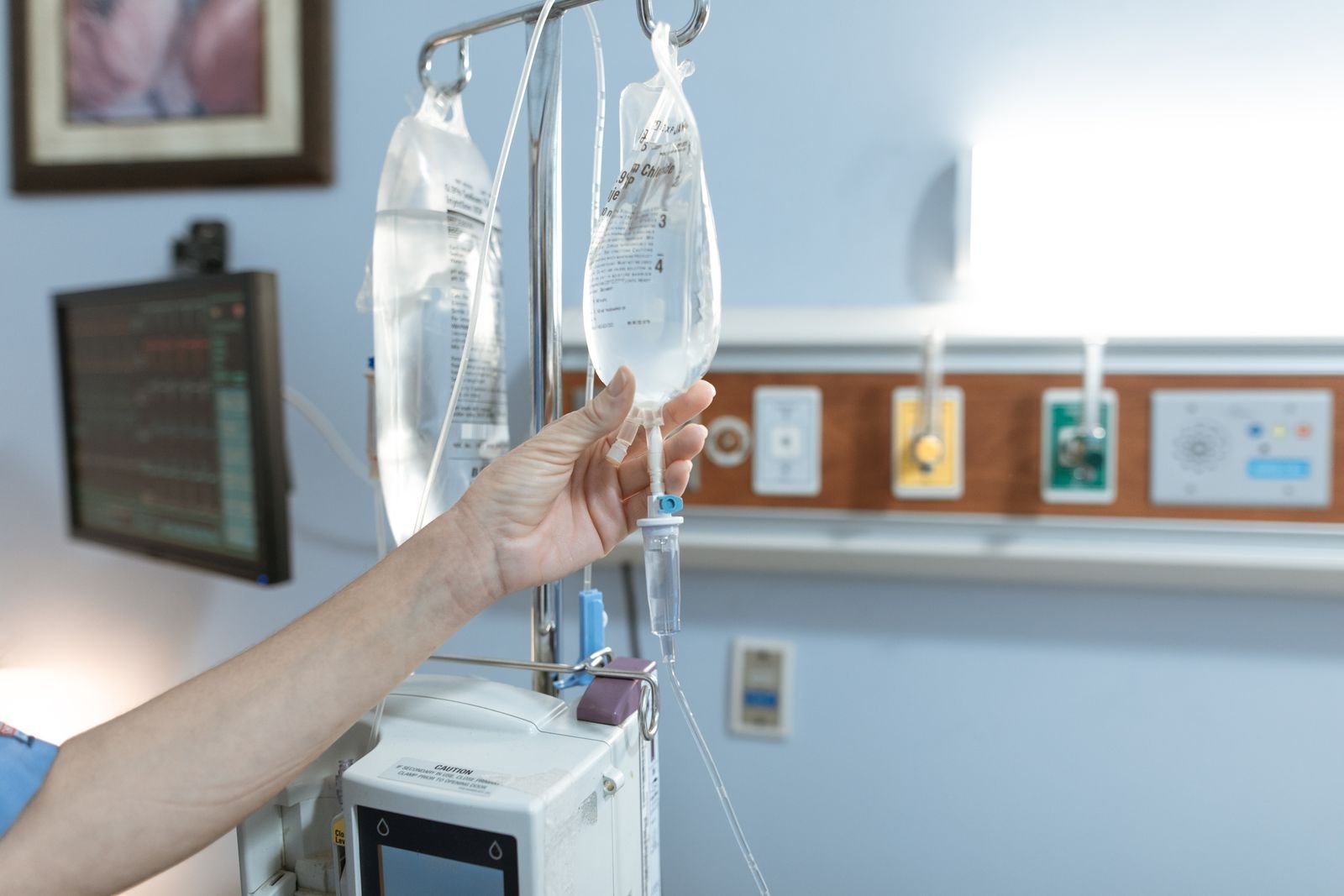
For NAD+ injections and IV drips, the human evidence is very thin. A 2026 systematic review of NAD+ research found no eligible outcome trials testing intravenous or intramuscular NAD+ itself for wellness or aging; the published human IV data are mostly small pharmacokinetic and tolerability studies, the largest of which gave NAD+ to 8 men. Oral NAD+ precursors (NR and NMN) have more trials, and they reliably raise NAD+ levels in blood, but their effects on health outcomes have been mixed or null.
That gap between marketing and evidence matters if you are considering paying for repeated drips or injections. This article explains what NAD+ is, what the human studies of IV NAD+ and oral precursors measured, what side effects were reported, and the questions worth asking before you start. It does not claim NAD+ slows aging or improves energy, because controlled human data showing that do not exist.
Key takeaways
- A 2026 systematic review (113 studies, 33 in humans) found no eligible outcome trials of IV or intramuscular NAD+ for anti-aging or wellness.
- The best-known IV study (Grant 2019) gave 750 mg over 6 hours to 8 healthy men, with 3 saline controls, and measured blood and urine metabolites only.
- In a 2026 retrospective series, all 6 people given IV NAD+ had moderate to severe GI symptoms and chest pressure during infusion.
- In a 12-week trial in 40 men with obesity, oral NR did not improve insulin sensitivity or body composition (Dollerup 2018).
- NAD+ injections and infusions are not FDA-approved for energy, aging or wellness; when prescribed, they are compounded.
What NAD+ is and why it gets attention
NAD+ (nicotinamide adenine dinucleotide) is a molecule found in every cell. It shuttles electrons in the reactions that turn food into usable energy, and it is consumed by enzymes involved in DNA repair and cell signaling, including the sirtuins and PARPs. The body makes it from dietary vitamin B3 forms (niacin and nicotinamide) and from precursors such as nicotinamide riboside (NR) and nicotinamide mononucleotide (NMN).
Interest comes largely from animal research. Tissue NAD+ levels tend to decline with age in rodents, and raising them in mice has improved various metabolic and mitochondrial measures. The 2026 systematic review by Gallagher and Emmanuel (Ageing Research Reviews) summarized 80 rodent studies as often showing benefits, though effects varied. Mouse results are a reason to run human trials, not evidence that a human will benefit.
NAD+ injections and IV drips: the human studies
Here is essentially the whole published human literature on giving NAD+ itself by vein for non-hospital purposes, as far as we could find it.
| Study | Who | What was given (as studied) | What it measured and found | Limits |
|---|---|---|---|---|
| Grant et al., 2019, Frontiers in Aging Neuroscience | 11 healthy men aged 30 to 55 (8 NAD+, 3 saline) | 750 mg NAD+ IV over 6 hours | Plasma NAD+ did not rise significantly until the 6-hour mark (about 398% above baseline); urinary metabolites rose; no adverse events observed | Pilot; metabolites only, no symptoms or health outcomes; partly funded by an NAD+ company |
| Reyna et al., 2026, Frontiers in Aging | 6 people given IV NAD+, 8 given IV NR, at a commercial infusion company | 500 mg IV on 4 consecutive days | All 6 NAD+ recipients had moderate to severe GI symptoms and chest pressure during infusion; infusions averaged 97 minutes vs. 37 for NR; most routine labs unchanged | Retrospective, no placebo, funded by and largely authored by employees of the company |
What these studies do and do not tell you
- They show what happens to NAD+ in the blood, not in your muscles or brain. In Grant 2019, NAD+ was rapidly cleared from plasma during the first 2 hours of infusion, and the metabolite pattern suggested it was being broken down. Whether infused NAD+ reaches tissues intact is not established.
- They did not measure energy, focus, mood, sleep or recovery. These are the outcomes drips are usually marketed for, and no controlled trial we found has tested them.
- Tolerability depends on infusion speed. The 2019 pilot ran a slow 6-hour infusion without adverse events; in the 2026 series, infusions averaging about 97 minutes produced symptoms in every NAD+ recipient, and the authors said those symptoms were why NAD+ infusions took longer than NR infusions.
- Industry ties are common. Both studies had funding or authorship links to companies selling NAD+ or infusions, which the authors disclosed.
We found no controlled human trials of subcutaneous or intramuscular NAD+ injections measuring any health outcome. Claims about NAD+ injections are therefore extrapolated from IV pharmacology, oral precursor trials and animal studies.
A note on hospital cardiology trials
Two randomized trials from China (published in the American Journal of Cardiovascular Drugs, 2025 to 2026) gave low-dose IV NAD+ (10 mg daily for 7 days, the dose studied) or placebo to hospitalized patients after a heart attack (120 patients) or with ischemic heart failure (180 patients). Both reported modestly higher heart pumping function (ejection fraction) at one month, while most other endpoints, including major cardiac events at 6 months, were not significantly different. These are small, single-country trials in very sick patients at doses far below wellness drips, and they say nothing about healthy men.
Oral NAD+ precursors: more trials, modest results
Oral NR and NMN are sold as dietary supplements and have been tested in randomized, placebo-controlled trials. They are the best evidence available on whether raising NAD+ changes anything measurable in people.
| Trial | Who | Dose studied and duration | Main result |
|---|---|---|---|
| Martens et al., 2018, Nature Communications | 24 completers aged 55 to 79 (11 men, 13 women), healthy | NR 1,000 mg/day, 6-week crossover | NAD+ in blood immune cells rose about 60%; blood pressure and arterial stiffness trends were not significant after correction for multiple comparisons |
| Dollerup et al., 2018, American Journal of Clinical Nutrition | 40 sedentary, insulin-resistant men aged 40 to 70 with BMI over 30 | NR 2,000 mg/day, 12 weeks | No improvement in insulin sensitivity, energy expenditure, fat burning or body composition; no serious adverse events |
| Yoshino et al., 2021, Science | 25 postmenopausal women with prediabetes and overweight or obesity | NMN 250 mg/day, 10 weeks | Muscle insulin sensitivity rose about 25%; no change in body composition, liver fat, blood pressure, lipids, muscle mitochondrial function or physical function |
The pattern across these and similar trials is consistent. Precursors raise NAD+ and its metabolites in blood, and they have generally been well tolerated over weeks to months. The Gallagher 2026 review, covering 33 human studies, concluded that functional and healthspan outcomes were mixed or null and that clinical benefit remains inconclusive. The only trial we found done specifically in middle-aged men with obesity, Dollerup 2018, was negative on its primary outcome. The Yoshino authors themselves noted that NR trials in men had not shown an insulin-sensitizing effect, and that the reason is unknown.
Martens 2018 also illustrates how small effects get amplified in marketing. Its blood pressure finding came from an exploratory analysis that did not survive statistical correction, and the authors called for larger trials before drawing conclusions. The study was supplied and partly funded by the NR manufacturer.
Why “raises NAD+ levels” is not the same as “works”
A higher NAD+ reading in blood is a biomarker: it shows the product was absorbed and metabolized. It does not show that you will feel more energetic, think more clearly or age more slowly. Medicine has many examples of drugs that moved a lab number without improving how people felt or how long they lived, which is why trials measure outcomes directly. For NAD+, the trials that did measure outcomes in people, such as insulin sensitivity, blood pressure or physical function, mostly found small effects or none.
Side effects and safety questions with NAD+ injections
- During IV infusion: the 2026 series reported abdominal cramping, nausea, vomiting, diarrhea, increased heart rate and chest pressure, resolving after the infusion ended.
- With oral NR: Martens 2018 reported only mild events, such as nausea, flushing, leg cramps and bruising, with no serious adverse events.
- Long-term safety: unknown for repeated IV or injected NAD+. No study we found followed people on regular drips for months or years.
- Product quality: NAD+ injections and infusions are not FDA-approved for energy, aging or wellness. When prescribed, they are compounded, and compounded medications are not FDA-reviewed for safety, effectiveness or quality. Products sold online as “research use only” carry even less assurance; see research-use-only products vs. compounded prescriptions.
If low energy is the reason you are looking at NAD+
Most men who look into NAD+ drips are trying to fix something specific: fatigue, poor focus, slower recovery, or a general sense of running down. Those symptoms have causes that can be measured and treated with far stronger evidence behind them. Before spending on infusions, it is worth ruling out:
- Low testosterone: confirmed with two morning tests; see what counts as low testosterone.
- Sleep problems, including sleep apnea: common, underdiagnosed and linked to both fatigue and lower testosterone; see sleep, sleep apnea and testosterone.
- Thyroid problems, anemia, blood sugar problems and low vitamin B12 or vitamin D: standard blood tests can check each.
- Alcohol, depression and medication side effects: all frequent, under-recognized causes of low energy; see alcohol and testosterone.
Questions to ask your provider about NAD+ injections
- What specific outcome are we hoping to change, and what controlled human evidence supports NAD+ for it?
- Have we ruled out the measurable causes of my symptoms first?
- Where is the product compounded, and what quality testing does the pharmacy do?
- What side effects should I expect, and what happens if I have chest pressure or GI symptoms?
- How will we judge after a set period whether it is doing anything, and when would we stop?
Frequently asked questions
Do NAD+ IV drips work?
There is no controlled human evidence that they improve energy, focus, aging or other wellness outcomes. Published IV studies are small and measured blood and urine metabolites and tolerability, not how people felt or functioned.
Are NAD+ injections FDA-approved?
No. NAD+ injections and infusions are not FDA-approved for energy, aging or wellness. When prescribed, they are compounded, and compounded drugs are not FDA-reviewed for safety, effectiveness or quality.
What are the side effects of IV NAD+?
In a 2026 retrospective series, every person given IV NAD+ reported moderate to severe GI symptoms (cramping, nausea, vomiting, diarrhea) and chest pressure during infusion, which resolved afterward. A slow 6-hour infusion in a 2019 pilot produced no adverse events in 8 men.
Is oral NR or NMN better than NAD+ injections?
No trial has compared them on health outcomes. Oral precursors have more randomized trials, which show they raise blood NAD+ levels, but benefits on outcomes such as insulin sensitivity have been inconsistent, and a 12-week trial in men with obesity found none.
If you are curious about NAD+, our NAD+ page explains how it is prescribed. If fatigue or feeling run down is the real issue, a free consultation with a licensed provider from our clinical partner, The Tide Clinic, can start with the labs that find treatable causes. Treatment is prescribed only if a licensed provider decides it is appropriate.
References
- Gallagher C, Emmanuel OO. NAD+ supplementation for anti-aging and wellness: a PRISMA-guided systematic review of preclinical and clinical evidence. Ageing Res Rev. 2026;116:103057. PubMed 41655607
- Grant R, Berg J, Mestayer R, et al. A pilot study investigating changes in the human plasma and urine NAD+ metabolome during a 6 hour intravenous infusion of NAD+. Front Aging Neurosci. 2019;11:257. PubMed 31572171
- Reyna K, Heinzen G, Patel N, et al. Intravenous infusion of nicotinamide adenine dinucleotide (NAD+) versus nicotinamide riboside (NR): a retrospective tolerability pilot study in a real-world setting. Front Aging. 2026;7:1652582. PubMed 41704678
- Martens CR, Denman BA, Mazzo MR, et al. Chronic nicotinamide riboside supplementation is well-tolerated and elevates NAD+ in healthy middle-aged and older adults. Nat Commun. 2018;9(1):1286. PubMed 29599478
- Dollerup OL, Christensen B, Svart M, et al. A randomized placebo-controlled clinical trial of nicotinamide riboside in obese men: safety, insulin-sensitivity, and lipid-mobilizing effects. Am J Clin Nutr. 2018;108(2):343-353. PubMed 29992272
- Yoshino M, Yoshino J, Kayser BD, et al. Nicotinamide mononucleotide increases muscle insulin sensitivity in prediabetic women. Science. 2021;372(6547):1224-1229. PubMed 33888596
- Randomized, placebo-controlled trial of IV NAD+ in patients with ischemic cardiomyopathy and heart failure. Am J Cardiovasc Drugs. 2026. PubMed 40954388
- Randomized, placebo-controlled trial of IV NAD+ after primary PCI for STEMI. Am J Cardiovasc Drugs. 2026. PubMed 42961639
This article is for education only and is not medical advice. It does not replace an evaluation by a licensed provider, who can tell you whether any test or treatment is appropriate for you. Enclomiphene is not FDA-approved. Compounded medications are not FDA-reviewed for safety, effectiveness, or quality. Results vary.