Lose the Weight, Then Reset? Tirzepatide and Enclomiphene for Obesity-Related Low T
Can losing weight on tirzepatide plus enclomiphene "reset" your own testosterone? What the evidence shows for each, what happens after stopping, and what is unknown.
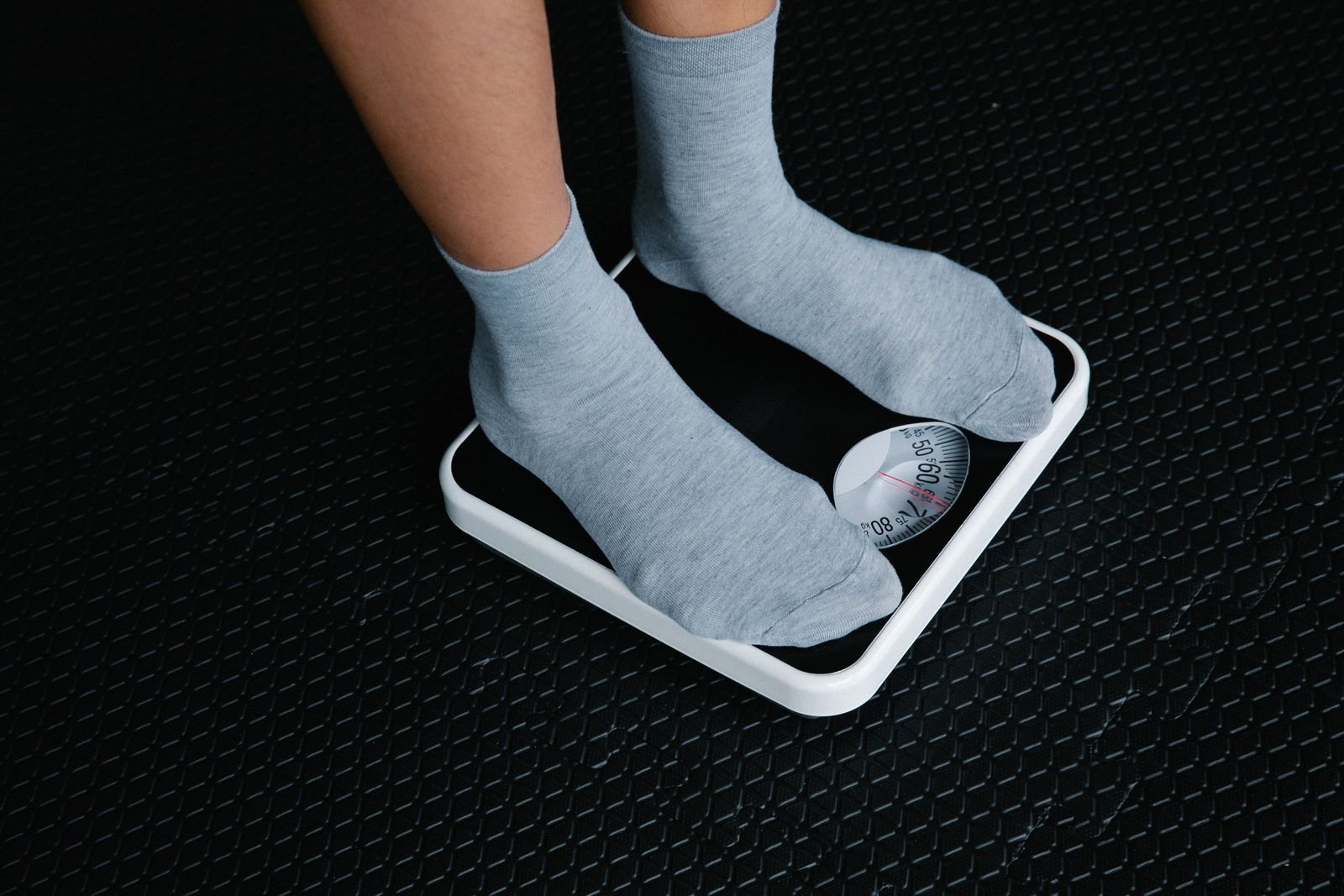
No clinical trial has studied tirzepatide and enclomiphene together, and no study shows that either one “resets” testosterone production in a way that lasts after you stop. What the evidence does show: weight loss raises testosterone on average in men with obesity-related low T, and enclomiphene raises your own testosterone while you take it. In a small trial, testosterone fell back to pretreatment levels within a month of stopping enclomiphene, and in SURMOUNT-4, stopping tirzepatide led to substantial weight regain.
The appeal of the pairing is easy to see. Both approaches work through your own hormone system rather than replacing testosterone, so both leave sperm production running, unlike TRT. The honest version of the “lose the weight, then reset” idea is a set of questions: does weight loss itself fix your testosterone, what does enclomiphene add, and what happens to each when treatment ends? This article answers each from the data.
Key takeaways
- There is no tirzepatide-plus-enclomiphene trial. Evidence comes from each separately.
- In the Corona 2013 meta-analysis, weight lost was the strongest predictor of the testosterone rise; diet raised total T by 2.87 nmol/L (about 83 ng/dL) on average.
- Enclomiphene is not FDA-approved and is compounded when prescribed in the US. At 12.5 mg (the dose studied), men in a 26-week study averaged 511.6 ng/dL at the end of treatment.
- Neither treatment has shown a lasting effect after stopping: testosterone returned to baseline within a month after enclomiphene, and weight came back after tirzepatide was withdrawn.
- Starting them one at a time lets you and your provider see what each is doing.
The “reset” idea, broken into testable questions
In men with obesity, low testosterone is often functional: the testes and pituitary are intact, but excess fat lowers SHBG, increases conversion of testosterone to estradiol, and dampens the LH signal. Endocrinologists Grossmann and Matsumoto argue for addressing weight and related conditions first in these men. Our guide to belly fat and low testosterone explains the mechanism.
If the problem is functional, “reset” can mean three different things, each with a different evidence base:
- Weight loss removes the cause. Supported on average by diet and surgery studies, with early data for GLP-1 drugs and tirzepatide.
- Enclomiphene raises testosterone while the weight comes off. Supported by enclomiphene trials in overweight men, but only while the drug is taken.
- The axis stays “fixed” after both stop. Not studied. What happens after stopping depends mostly on whether the weight stays off.
What weight loss does to testosterone
Corona et al. (European Journal of Endocrinology, 2013) pooled 24 studies of men losing weight by low-calorie diet or bariatric surgery. Diet raised total testosterone by 2.87 nmol/L and surgery by 8.73 nmol/L (about 83 and 251 ng/dL). The amount of weight lost was the strongest predictor of the rise, and the rise was larger in younger men, men without diabetes and men with more severe obesity at the start.
For tirzepatide, the drug-specific data are early:
- SURMOUNT-1 (Zepbound, 72 weeks, 2,539 adults without diabetes): average weight loss of 15.0% to 20.9% across the doses studied, versus 3.1% on placebo. Testosterone was not a reported outcome.
- La Vignera et al., 2025: a 2-month controlled pilot study in 83 men with obesity and metabolic hypogonadism found higher total, free and bioavailable testosterone with tirzepatide than with no drug. Very small and very short.
- Salvio et al., 2025: a meta-analysis of GLP-1 receptor agonists (7 studies, 680 men) found total testosterone rose, with larger rises tracking larger weight loss. The authors noted the literature does not demonstrate a direct effect on the testes.
Read together, the testosterone gain appears to come mainly through the weight loss. Zepbound (tirzepatide) is FDA-approved for chronic weight management and for moderate to severe obstructive sleep apnea in adults with obesity; it is not approved to treat low testosterone. Compounded tirzepatide is not FDA-approved, and trial results belong to the brand products studied. More in tirzepatide for men.
What enclomiphene does in men with excess weight
Enclomiphene blocks estrogen receptors in the hypothalamus and pituitary, which raises LH and FSH and prompts the testes to make more testosterone and support sperm production. Several of its trials enrolled overweight men specifically:
| Trial | Who | What it found |
|---|---|---|
| ZA-304 and ZA-305 (Kim et al., BJU Int 2016) | Overweight men aged 18 to 60 with secondary hypogonadism (morning T 300 ng/dL or lower, LH below 9.4 IU/L), 16 weeks | Testosterone rose; LH and FSH rose on enclomiphene and fell on testosterone gel; sperm concentration stayed in the normal range on enclomiphene |
| ZA-300 safety study (NCT01534208), 26 weeks | Men with secondary hypogonadism | At 12.5 mg (the dose studied), mean end-of-treatment testosterone 511.6 ng/dL, a mean rise of 280.9 ng/dL. Serious adverse events in about 3%, including 2 DVTs and 1 pulmonary embolism among 490 men |
| ZA-301 and ZA-302 | Men with secondary hypogonadism, ZA-302 in overweight men, 12 weeks | 14.2% of men on enclomiphene had a sperm concentration drop of 50% or more, versus 2.6% and 4.3% on placebo |
Enclomiphene is not FDA-approved for any use. The FDA declined to approve it as Androxal in 2015, and the European Medicines Agency refused it in 2018, citing a risk of venous thromboembolism among other concerns. When prescribed in the US it is compounded, and compounded medications are not FDA-reviewed for safety, effectiveness or quality. No randomized data run beyond about six months. The comparison with TRT for fertility is in enclomiphene vs. TRT.
What happens after stopping tirzepatide and enclomiphene
This is where the “reset” framing meets the evidence most directly.
| Stopping | What was observed | Source and limits |
|---|---|---|
| Enclomiphene | In 12 men previously on testosterone gel, testosterone rose on enclomiphene and fell back to pretreatment levels about one month after treatment ended | Kaminetsky et al., J Sex Med 2013; a small open-label phase IIB study |
| Tirzepatide | Adults who lost an average of 20.9% over 36 weeks and were switched to placebo regained 14.0% of body weight over 52 weeks; those who continued lost another 5.5% | SURMOUNT-4 (Aronne et al., JAMA 2024); testosterone not reported |
| Weight regained after diet or surgery | In the studies Corona pooled, more weight lost meant more testosterone gained, so regain would be expected to reverse at least part of the gain | Inference from the Corona analysis; not directly measured after tirzepatide |
The takeaway is that enclomiphene appears to work while it is taken, and any lasting improvement in testosterone after both drugs stop would depend on maintaining the weight loss. That is a plausible hope for some men, but it has not been tested. If you have been on TRT and want to restart your own production, that is a different situation, covered in coming off TRT.
Overlapping risks of tirzepatide and enclomiphene
- Absorption of oral drugs. Tirzepatide slows stomach emptying, and the Zepbound label advises caution with oral medications because absorption may change; for oral contraceptives it specifically advises backup protection for 4 weeks after starting and after each dose increase. Enclomiphene is taken by mouth. Whether its absorption is affected has not been studied, which is one more reason to re-check testosterone rather than assume.
- GI side effects. Nausea, vomiting and diarrhea are the most common tirzepatide side effects, mainly during dose escalation. Nausea was also reported on enclomiphene in ZA-302 (4 of 112 men vs 3 of 47 on placebo). Starting both at once makes it harder to tell the source.
- Blood clots. Enclomiphene carries a clot signal from its trials and the EMA’s review. A personal or family history of clots should be raised before starting. Leg swelling, calf pain, chest pain or sudden shortness of breath need urgent care.
- Hematocrit and estradiol. Both can rise as enclomiphene raises testosterone. Dehydration from GI side effects can also make hematocrit read high.
- Kidneys and gallbladder. The Zepbound label warns about acute kidney injury from volume depletion and acute gallbladder disease.
- Vision. Visual symptoms are a labeled warning for clomiphene, the parent drug; whether enclomiphene shares the risk is not settled. Any visual change is a reason to stop and call.
- Fertility. Both approaches preserve the testosterone-sperm axis in principle, but about 1 in 7 men in two enclomiphene trials had a 50% sperm drop, and tirzepatide’s effects on sperm are not well studied. If conception is the goal, semen analysis before and during treatment is the only way to know.
Sequencing tirzepatide and enclomiphene: options a provider might weigh
No study has compared these approaches, so this is about tradeoffs, not proven protocols:
- Weight first, then re-test. Fits men with borderline testosterone and a weight-driven lab pattern. It answers the core question (does weight loss fix it?) with your own numbers. The cost is waiting.
- Enclomiphene first, or alongside. May fit men with clearly low testosterone, significant symptoms and a wish to keep fertility. The cost is that a later testosterone result mixes the drug’s effect with the weight loss.
- Staggered start. Beginning one, letting side effects settle and re-testing before adding the second keeps each drug’s effects visible.
- Planned re-assessment. After meaningful weight loss, a provider may discuss whether enclomiphene is still needed, using labs drawn under consistent conditions.
For men who are weighing TRT instead of enclomiphene alongside a weight-loss drug, the tradeoffs differ; see tirzepatide and TRT together.
What your numbers mean before and during treatment
- Low total T, low SHBG, low or normal LH, high BMI: the functional pattern most likely to improve with weight loss, and the pattern enclomiphene was studied in.
- Low T with high LH and FSH: a testicular problem. Neither weight loss nor enclomiphene is likely to correct it, because both depend on the testes responding.
- Total T rising, SHBG rising with weight loss: some of the total rise may reflect more binding protein. Free testosterone helps clarify.
- Testosterone rising with rising LH on enclomiphene: the drug is working through its expected route.
- Testosterone falling after enclomiphene stops: expected based on the Kaminetsky data, unless weight loss has independently raised your baseline.
A typical panel includes two morning testosterone tests, SHBG or free T, LH, FSH, estradiol, hematocrit, glucose or HbA1c, lipids and kidney function, plus semen analysis if fertility matters. Timing is laid out in the labs to monitor when combining therapies.
Questions to ask your provider
- Does my lab pattern look functional, and how much might weight loss alone change it?
- Would you start one medication first, and when would we re-test?
- Enclomiphene is compounded and not FDA-approved. What does that mean for quality and oversight?
- What is the plan for each medication once I reach my weight goal?
- Do I have any clot, vision or gallbladder history that changes the risk?
Frequently asked questions
Can you take tirzepatide and enclomiphene together?
Some providers prescribe both, but no trial has tested the combination. Its effectiveness and safety are unknown, and tirzepatide’s effect on the absorption of oral drugs is one reason to re-check testosterone after starting.
Does losing weight restore testosterone permanently?
Weight loss raises testosterone on average in men with obesity-related low T, and the size of the rise tracks how much weight is lost. Whether it lasts appears to depend on keeping the weight off; long-term studies after drug-assisted weight loss are lacking.
Does enclomiphene keep working after you stop?
The available data say no. In a 12-man study, testosterone returned to pretreatment levels about one month after enclomiphene ended.
Is enclomiphene better than TRT for men on a GLP-1?
They have not been compared in men on GLP-1 drugs. Enclomiphene keeps your own axis and sperm production working on average; TRT suppresses both. Which fits depends on your labs, symptoms and fertility plans.
If you want to talk through enclomiphene, tirzepatide or our weight program, you can book a free consultation with a licensed provider from our clinical partner, The Tide Clinic. Treatment is prescribed only if a licensed provider decides it is appropriate.
References
- Corona G, Rastrelli G, Monami M, et al. Body weight loss reverts obesity-associated hypogonadotropic hypogonadism: a systematic review and meta-analysis. Eur J Endocrinol. 2013;168(6):829-843. PubMed 23482592
- Grossmann M, Matsumoto AM. A perspective on middle-aged and older men with functional hypogonadism: focus on holistic management. J Clin Endocrinol Metab. 2017. PubMed 28359097
- Jastreboff AM, et al. Tirzepatide once weekly for the treatment of obesity (SURMOUNT-1). N Engl J Med. 2022. PubMed 35658024
- Aronne LJ, Sattar N, Horn DB, et al. Continued treatment with tirzepatide for maintenance of weight reduction in adults with obesity: the SURMOUNT-4 randomized clinical trial. JAMA. 2024;331(1):38-48. PubMed 38078870
- Zepbound (tirzepatide) prescribing information. Eli Lilly and Company. DailyMed. DailyMed
- La Vignera S, Cannarella R, Garofalo V, et al. Short-term impact of tirzepatide on metabolic hypogonadism and body composition in patients with obesity: a controlled pilot study. Reprod Biol Endocrinol. 2025;23:92. PubMed 40604795
- Salvio G, Ciarloni A, Ambo N, et al. Effects of glucagon-like peptide 1 receptor agonists on testicular dysfunction: a systematic review and meta-analysis. Andrology. 2025;13(8):2022-2034. PubMed 40105090
- Kim ED, McCullough A, Kaminetsky J. Oral enclomiphene citrate raises testosterone and preserves sperm counts in obese hypogonadal men, unlike topical testosterone: restoration instead of replacement. BJU Int. 2016;117(4):677-685. doi:10.1111/bju.13337
- Kaminetsky J, Werner M, Fontenot G, Wiehle RD. Oral enclomiphene citrate stimulates the endogenous production of testosterone and sperm counts in men with low testosterone: comparison with testosterone gel. J Sex Med. 2013;10(6):1628-1635. doi:10.1111/jsm.12116
- ClinicalTrials.gov. NCT01534208 (ZA-300), NCT01532414 (ZA-301) and NCT01739595 (ZA-302): enclomiphene citrate studies in men with secondary hypogonadism. Results posted. NCT01534208; NCT01532414; NCT01739595
- European Medicines Agency. EnCyzix (enclomifene): refusal of marketing authorisation, 2018. ema.europa.eu
This article is for education only and is not medical advice. It does not replace an evaluation by a licensed provider, who can tell you whether any test or treatment is appropriate for you. Enclomiphene is not FDA-approved. Compounded medications are not FDA-reviewed for safety, effectiveness, or quality. Results vary.