Labs to Get Before Enclomiphene: LH, FSH, Estradiol and SHBG Explained
Which labs matter before enclomiphene, how to time the draw, and what LH, FSH, estradiol and SHBG patterns mean for whether it is even a reasonable option.
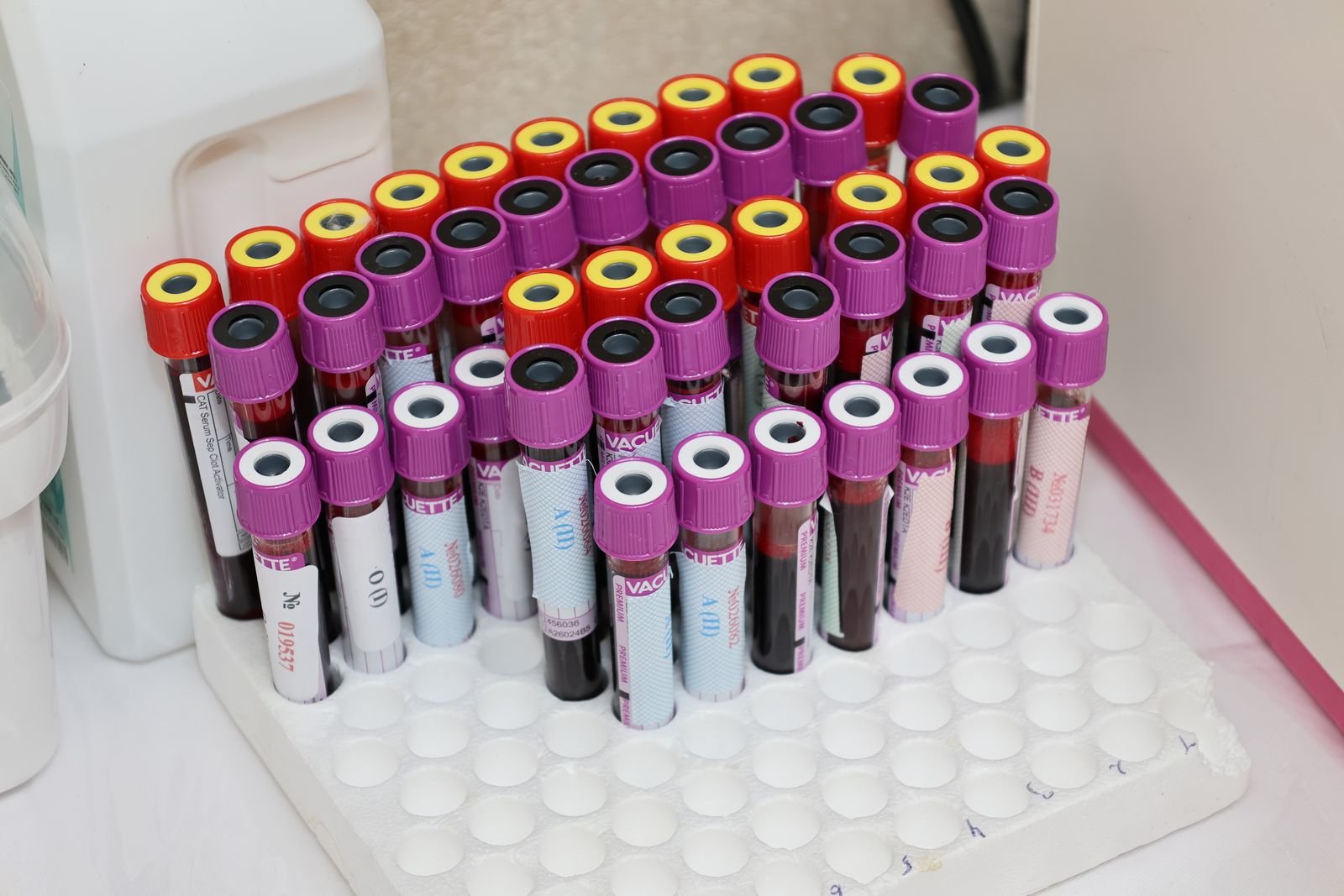
Good enclomiphene blood work starts with two fasting, early-morning total testosterone tests, plus LH and FSH, estradiol, SHBG (with albumin so free testosterone can be calculated), prolactin, and a blood count. The single most important number after testosterone is LH: enclomiphene works by raising your own LH and FSH, so it only makes sense when the pituitary is under-signaling and the testes can still respond.
That matters because a low testosterone result by itself does not tell you why it is low. The same 250 ng/dL can come from a pituitary that has gone quiet (often reversible, and the situation enclomiphene was studied in) or from testes that are failing (where a drug that turns up the pituitary signal has little to work with). The labs below are how a licensed provider tells those apart before anything is prescribed.
Key takeaways
- Testosterone deficiency is diagnosed on at least two early-morning total testosterone results below 300 ng/dL (AUA) plus symptoms, not one test.
- Low testosterone with low or “normal” LH points to secondary hypogonadism, the population in the enclomiphene phase 3 trials. High LH points to primary (testicular) hypogonadism.
- Prolactin belongs in the panel whenever LH is low or low-normal; a pituitary MRI is suggested when total testosterone is below 150 ng/dL with low LH.
- Estradiol and SHBG are not “extras”: they explain symptoms, change how your total testosterone should be read, and give a baseline for later comparisons.
- Enclomiphene is not FDA-approved; in the US it is prescribed only as a compounded medication.
Why enclomiphene blood work has to come first
Enclomiphene is one isomer of clomiphene, a selective estrogen receptor modulator (SERM). In the hypothalamus and pituitary, estradiol acts as a brake: when it binds its receptor, the brain sends out less GnRH, and the pituitary makes less LH and FSH. Enclomiphene blocks that receptor, so the brain “sees” less estrogen and releases more LH and FSH. LH tells the Leydig cells in the testes to make testosterone; FSH supports sperm production.
Every step in that chain has to be working for the drug to do anything. That is why the trials were so specific about who they enrolled. In the two phase 3 trials reported by Kim and colleagues (BJU International, 2016), men aged 18 to 60 had to have early-morning total testosterone at or below 300 ng/dL and LH below 9.4 IU/L, each confirmed on two occasions 2 to 10 days apart. In other words, the studied population was defined by blood work: low testosterone with a pituitary signal that was not elevated. Over 16 weeks, enclomiphene raised total testosterone, LH and FSH and kept sperm concentration in the normal range, while the testosterone gel comparator lowered LH and FSH and reduced sperm production. (Compare the two approaches in Enclomiphene vs. TRT: what each does to your sperm count.)
One regulatory point before the lab details: enclomiphene is not FDA-approved for any use. The FDA issued a complete response letter to the developer’s application (Androxal) in late 2015, and it was never approved. When it is prescribed in the US it is compounded, and compounded medications are not reviewed by the FDA for safety, effectiveness, or quality. More on that in Is enclomiphene FDA-approved?
The core panel: what each test tells your provider
Reference ranges differ between labs and assay methods, so the “normal” column on your own report is the one to read against. The table below explains what each test is for.
| Test | Why it is ordered | What it can change |
|---|---|---|
| Total testosterone (2 morning, fasting draws) | Confirms deficiency. AUA uses below 300 ng/dL on at least two early-morning tests. The Endocrine Society’s harmonized range for healthy non-obese men 19 to 39 is 264 to 916 ng/dL. | Whether there is a deficiency to treat at all. |
| LH | Separates primary (testicular) from secondary (pituitary or hypothalamic) causes. AUA calls measuring LH in men with low testosterone a strong recommendation. | Whether a drug that raises LH is even logical. |
| FSH | Reflects the sperm-production side of the axis; high FSH can signal testicular damage. | Fertility counseling; whether a semen analysis is needed. |
| Estradiol (sensitive assay preferred) | Baseline for a hormone that rises when testosterone rises; AUA recommends measuring it before therapy in men with breast symptoms or gynecomastia. | Interpreting later side effects and symptoms. |
| SHBG and albumin | SHBG binds testosterone tightly. With total testosterone and albumin it allows a calculated free testosterone. | Whether a “borderline” total is truly low. |
| Prolactin | High prolactin suppresses LH and can signal a pituitary problem. AUA recommends it when testosterone is low and LH is low or low-normal. | May require evaluation before any testosterone-raising treatment. |
| CBC (hemoglobin, hematocrit) | Baseline red cell levels; testosterone-raising treatments can push hematocrit up. | Safety monitoring later. |
| PSA (age and risk based) | Endocrine Society lists PSA above 4 ng/mL (above 3 ng/mL in higher-risk men) as needing urologic evaluation before testosterone therapy. | Whether a urology evaluation comes first. |
| Iron saturation / ferritin (if secondary) | Iron overload is a recognized cause of secondary hypogonadism. | Points to a treatable underlying cause. |
Timing your enclomiphene blood work correctly
Testosterone is highest in the morning and varies from day to day, so the draw protocol matters as much as the test list. The Endocrine Society 2018 guideline (Bhasin et al.) recommends a fasting, early-morning total testosterone measured with an accurate assay, then a repeat fasting morning measurement to confirm. The AUA 2018 guideline (reviewed and validity confirmed in 2024) uses the same two-measurement approach with a 300 ng/dL cutoff. A single low value is not a diagnosis.
- Draw early and fasting. Both guidelines specify morning testing; the Endocrine Society specifies fasting.
- Stop biotin first. The Endocrine Society notes biotin should be stopped for at least 72 hours before LH and FSH testing because it can interfere with some assays. Many hair, skin and “energy” supplements contain it.
- Don’t test while sick. The same guideline advises against diagnosing testosterone deficiency in men who have, or are recovering from, an acute illness.
- Disclose everything you take. Opioids, glucocorticoids, anabolic steroids or recent testosterone use all suppress LH and change the interpretation. If you are coming off TRT, read coming off TRT first, because labs drawn soon after the last dose reflect suppression, not your baseline.
What your numbers mean: reading the LH pattern
The Endocrine Society guideline defines the patterns this way: primary hypogonadism shows elevated gonadotropins (LH and FSH); secondary hypogonadism shows low or inappropriately normal gonadotropins. “Inappropriately normal” is the part people miss. If testosterone is low, a healthy pituitary should be pushing LH up; an LH sitting in the middle of the range is a sign the signal is not responding the way it should.
| Pattern | Usual label | What it means for enclomiphene |
|---|---|---|
| Low T, low or normal LH | Secondary hypogonadism | Matches the population studied in the phase 3 trials (T at or below 300 ng/dL, LH below 9.4 IU/L). A licensed provider may consider it after looking for a cause. |
| Low T, high LH and FSH | Primary hypogonadism | The pituitary is already signaling hard; raising LH further is unlikely to help. Testosterone therapy is the more usual discussion. |
| T below 150 ng/dL, low LH | Severe secondary hypogonadism | AUA and Endocrine Society suggest pituitary MRI regardless of prolactin, because non-secreting tumors can be found. |
| Low T, low LH, high prolactin | Possible hyperprolactinemia | The prolactin problem is evaluated first; it can be the actual cause. |
| Normal T, high LH | Compensated hypogonadism | The testes are keeping up only with extra pushing. Usually monitored rather than treated with testosterone-raising drugs. |
| Borderline total T, abnormal SHBG | Needs free T | Calculated or equilibrium-dialysis free testosterone decides whether the total is misleading. |
How common is each pattern? In the European Male Ageing Study (Tajar et al., 2010), which tested 3,369 men aged 40 to 79, 11.8% had the secondary pattern, 2.0% had the primary pattern, and 9.5% had the compensated pattern. A BMI of 30 or higher was strongly associated with secondary hypogonadism (relative risk ratio 8.74), while older age was associated with the primary and compensated patterns. That is part of why secondary hypogonadism in men carrying extra weight became the target population for enclomiphene. For the full breakdown of causes, see primary vs. secondary hypogonadism.
Estradiol: why the baseline matters and how it is measured
Men make estradiol from testosterone through the aromatase enzyme, much of it in fat tissue. When any treatment raises testosterone, there is more raw material for aromatase, so a baseline estradiol lets your provider interpret later results and symptoms such as breast tenderness. The AUA specifically recommends measuring estradiol before therapy in men with breast symptoms or gynecomastia.
Two cautions. First, the assay matters. An Endocrine Society position statement (Rosner et al., 2013) concluded that the low estradiol concentrations relevant outside reproduction are hard to measure accurately with routine methods and that results vary between methods. Men’s levels are low enough that a “sensitive” or LC-MS/MS estradiol test is often preferred; ask which one your lab uses, and compare follow-up results on the same assay. Second, a lower estradiol is not a goal in itself. Controlled studies show men need estradiol for bone and body-fat regulation; see estradiol in men: why crashing your estrogen backfires.
SHBG and free testosterone: when your total is misleading
Most testosterone in blood is bound to SHBG or albumin. SHBG-bound testosterone is held tightly; the free and albumin-bound fractions are the ones tissues can readily use. When SHBG is unusually low, total testosterone can look low even though free testosterone is adequate, and the reverse happens when SHBG is high. The Endocrine Society recommends measuring free testosterone when total testosterone is near the lower limit of normal or when a condition that changes SHBG is present. It specifies equilibrium dialysis, or a calculation using total testosterone, SHBG and albumin, and it advises against direct analog free testosterone immunoassays because they are inaccurate.
| Conditions that lower SHBG | Conditions that raise SHBG |
|---|---|
| Obesity; diabetes; glucocorticoids, some progestins and androgenic steroids; nephrotic syndrome; hypothyroidism; acromegaly; SHBG gene variants | Aging; HIV; cirrhosis and hepatitis; hyperthyroidism; some anticonvulsants; estrogens; SHBG gene variants |
Source: Endocrine Society 2018 guideline, Table 2. If you are overweight or have diabetes, a low-normal total testosterone deserves a free testosterone calculation before anyone concludes it is truly low. More in total vs. free testosterone.
Labs that are usually repeated after starting
Baseline labs only become useful when there is something to compare them with. If a licensed provider decides enclomiphene is appropriate, follow-up testing typically repeats total testosterone, LH and FSH (to confirm the axis is responding as intended), estradiol, and a blood count. The specific schedule is set by your provider.
For context on what changes in the studies: in an open-label 26-week phase 3 safety study of enclomiphene (NCT01534208, 499 men with secondary hypogonadism), men on the 12.5 mg dose studied had an end-of-treatment mean morning testosterone of 511.6 ng/dL, a mean increase of 280.9 ng/dL, with mean LH up 4.81 mIU/mL and mean FSH up 5.20 U/L. Results are averages; individual responses vary, which is the point of rechecking. On hematocrit, a retrospective comparison of clomiphene citrate (the mixed-isomer drug, not enclomiphene) with testosterone therapy (Wheeler et al., 2017) found polycythemia in 1.7% of 188 clomiphene-treated men versus 11.2% of 175 TRT-treated men. That was a different drug and an observational design, so it does not replace monitoring.
Questions to ask your provider about your labs
- Were both of my testosterone results from fasting, early-morning draws, and were they on the same assay?
- Is my LH high, low, or “inappropriately normal” for my testosterone level?
- Do I need prolactin, iron studies, or imaging based on my pattern?
- Is my SHBG high or low enough that we should look at calculated free testosterone?
- Which estradiol assay did the lab use, and will follow-up tests use the same one?
- Is there a reversible cause (weight, sleep apnea, opioids, alcohol, a medication) we should address first or alongside treatment?
- If fertility matters to me, should I also have a semen analysis before deciding?
Frequently asked questions
Can I start enclomiphene based on one low testosterone test?
Both the AUA and Endocrine Society guidelines call for confirming low testosterone with a repeat morning test before diagnosing deficiency. The enclomiphene phase 3 trials also required two qualifying results. A single result can be low because of timing, a poor night of sleep, or illness.
What LH level is “too high” for enclomiphene?
There is no universal cutoff, and lab ranges differ. For reference, the phase 3 trials enrolled men with LH below 9.4 IU/L. An LH above your lab’s range alongside low testosterone suggests a primary (testicular) problem, where a drug that raises LH has less to offer.
Do I need an estradiol test if I feel fine?
It is commonly included as a baseline because estradiol tends to move with testosterone. Without a starting value, a later result is hard to interpret. It is specifically recommended by the AUA if you have breast symptoms or gynecomastia.
Is enclomiphene blood work different from TRT blood work?
The diagnostic panel overlaps heavily. The difference is emphasis: for enclomiphene, LH and FSH carry more weight because the drug acts through them, and they are often rechecked during treatment. On TRT, LH and FSH are expected to fall, so they are less useful for monitoring.
If you already have recent labs, or want to know which tests fit your situation, you can book a free consultation with a licensed provider from our clinical partner, The Tide Clinic. They review your history and results and discuss options through the men’s testosterone program, including whether enclomiphene is a reasonable fit; treatment is prescribed only if a licensed provider decides it’s appropriate.
References
- Mulhall JP, Trost LW, Brannigan RE, et al. Evaluation and Management of Testosterone Deficiency: AUA Guideline. J Urol. 2018;200(2):423-432 (reviewed and validity confirmed 2024). PubMed; AUA guideline page
- Bhasin S, Brito JP, Cunningham GR, et al. Testosterone Therapy in Men With Hypogonadism: An Endocrine Society Clinical Practice Guideline. J Clin Endocrinol Metab. 2018;103(5):1715-1744. Full text
- Kim ED, McCullough A, Kaminetsky J. Oral enclomiphene citrate raises testosterone and preserves sperm counts in obese hypogonadal men, unlike topical testosterone: restoration instead of replacement. BJU Int. 2016;117(4):677-685. PubMed
- Safety Study of Enclomiphene Citrate in the Treatment of Men With Secondary Hypogonadism (NCT01534208). ClinicalTrials.gov results. ClinicalTrials.gov
- Tajar A, Forti G, O’Neill TW, et al. Characteristics of secondary, primary, and compensated hypogonadism in aging men: evidence from the European Male Ageing Study. J Clin Endocrinol Metab. 2010;95(4):1810-1818. PubMed
- Rosner W, Hankinson SE, Sluss PM, Vesper HW, Wierman ME. Challenges to the measurement of estradiol: an Endocrine Society position statement. J Clin Endocrinol Metab. 2013;98(4):1376-1387. PubMed
- Wheeler KM, Smith RP, Kumar RA, et al. A Comparison of Secondary Polycythemia in Hypogonadal Men Treated with Clomiphene Citrate versus Testosterone Replacement: A Multi-Institutional Study. J Urol. 2017;197(4):1127-1131. PubMed
- Repros Therapeutics. Repros Therapeutics Receives Complete Response Letter From FDA for Enclomiphene (press release, SEC filing, December 2015). SEC.gov
This article is for education only and is not medical advice. It does not replace an evaluation by a licensed provider, who can tell you whether any test or treatment is appropriate for you. Enclomiphene is not FDA-approved. Compounded medications are not FDA-reviewed for safety, effectiveness, or quality. Results vary.